Posts

Showing posts with the label agriculturesheds

The Advantages of Outdoor Stockyard Covers

Image
  Designing outdoor Stockyard Covers Stockyard Covers offers several benefits that cater to the specific needs of various industries, such as agriculture, construction, and logistics.  Space Utilization: Outdoor stockyards maximize the use of available land, providing ample space for storing large quantities of materials, equipment, or products. This efficient use of space allows for easy organization and accessibility of items, reducing congestion and optimizing workflow. Flexibility: Unlike indoor storage facilities that may have space limitations, outdoor stockyards offer greater flexibility in terms of storage capacity and arrangement. They can be easily expanded or reconfigured to accommodate changing inventory levels or operational needs without significant construction costs. Cost Efficiency: Building and maintaining outdoor stockyards generally incur lower construction and operational costs compared to indoor warehouses. This cost-effectiveness makes them an attracti...
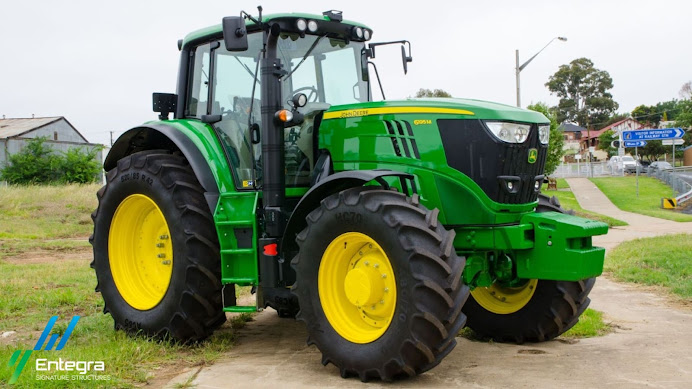
Why Farm Machinery Shortage in Australia Occurred in 2021

Image
  The farm machinery shortage in Australia can be attributed to several factors: Global Supply Chain Disruptions: Australia heavily relies on imported farm machinery, and disruptions in global supply chains, such as those caused by the COVID-19 pandemic or geopolitical tensions, can lead to delays in the delivery of machinery or shortages of certain equipment. High Demand: With a growing global population and increasing demand for agricultural products, Australian farmers are under pressure to increase production. This heightened demand for agricultural machinery can outstrip supply, leading to shortages. Aging Machinery: Many farmers in Australia still use older machinery, which requires frequent maintenance and repairs. Limited availability of newer models due to factors like supply chain disruptions or high costs can make it difficult for farmers to replace aging equipment, contributing to the shortage. Labor Shortages: Rural areas in Australia often face a shortage of skilled...

The History of The Mango Industry in Australia

Image
  The history of the mango industry in Australia is a tale of adaptation, innovation, and globalization. Mangoes first arrived in Australia in the 1800s and were first cultivated commercially in the 1870s. - Introduction and Early Cultivation: Mangoes were first introduced to Australia by early settlers, primarily in the northern regions of the country where the climate resembled that of traditional mango-growing regions in Asia. However, initial cultivation efforts were modest and largely experimental. Early varieties were sourced from places like India and Southeast Asia, but more systematic attempts at mango cultivation began in the late 19th and early 20th centuries. - Development and Expansion: The mango industry in Australia witnessed significant development and expansion in the mid-20th century. This period saw the emergence of commercial orchards, particularly in the state of Queensland, which boasted ideal growing conditions for mangoes. Varieties like Kensington Pride, a...

Why is flooding a problem in Australia?

Image
  Flooding Poses Significant Challenges in Australia Due to Several Factors: Variable Climate and Weather Patterns: Australia's climate is characterized by variability and extremes, making it susceptible to heavy rainfall events and subsequent flooding. The continent experiences periodic weather phenomena such as cyclones, monsoons, and intense thunderstorms, which can lead to torrential rains and widespread flooding, particularly in regions prone to such weather patterns as Northern Australia and parts of the East Coast. Geographical Features and Land Use: Australia's topography includes vast areas of flat terrain, extensive river systems, and low-lying coastal regions, which are vulnerable to flooding. Urbanization and land development in flood-prone areas exacerbate the problem by reducing natural drainage pathways, increasing surface runoff, and altering hydrological processes. Poorly planned infrastructure and inadequate stormwater management further contribute to the ri...